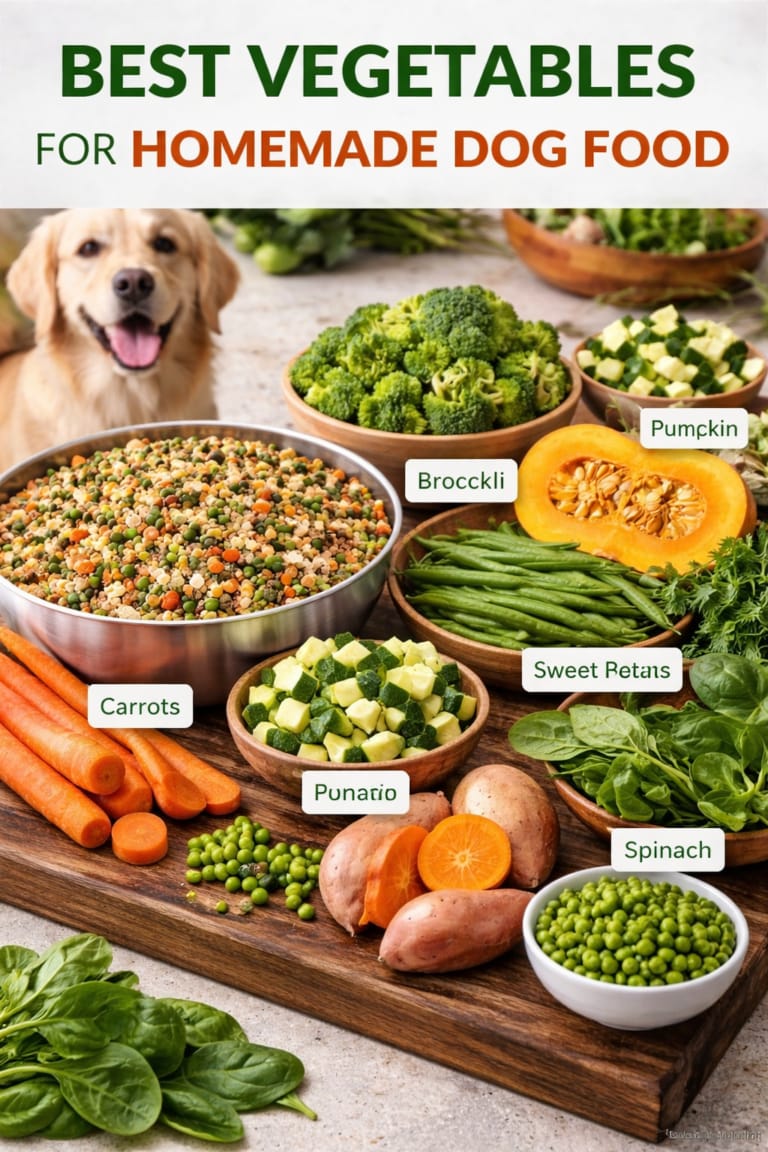
Many new puppy owners don’t know this: if you feed a large breed puppy the wrong food, even if it’s a good brand, this can harm your puppy bones and joint problems when the dog gets older. The problem is not too much protein. The real issue is calcium and phosphorus levels that are not right for a dog who will weigh 80 pounds one day.The best dry puppy food is not about finding one “perfect” bag. It’s about choosing a food that fits your puppy’s future adult size. A Chihuahua puppy and a Great Dane puppy have very different food needs, even though both are puppies.Most guides just give star ratings and ignore this important point. This guide is different. We will talk about what makes a puppy food truly good, what the AAFC rules actually mean, and which brands are best for small, medium, large, and budget-friendly options.
Key takeaways:
Key takeaways:
- Large breed puppies (adult weight over 50 to 70 pounds) need calcium and phosphorus levels that are deliberately capped, not maximized
- AAFCO requires puppy food to contain at least 22.5% protein on a dry matter basis, well above the 18% adult minimum
- Kibble size and shape matter more than most owners realize, especially for very small or very large mouths
- A handful of brands, Hill’s Science Diet, Purina Pro Plan, Royal Canin, and a few others, show up again and again in veterinary recommendations for good reason
- Price and quality don’t move in lockstep. Some mid priced foods outperform premium ones on the metrics that actually matter for growth
Table of Contents
- What Makes a Puppy Food “Best,” Really
- Why Size Changes Everything
- The Calcium and Phosphorus Problem Nobody Talks About
- Best Dry Puppy Food Compared by Brand
- Best Dry Puppy Food for Large Breeds
- Best Dry Puppy Food for Small and Toy Breeds
- How to Read a Puppy Food Label Without Getting Fooled
- When to Switch From Puppy Food to Adult Food
- Frequently Asked Questions
What Makes a Puppy Food “Best,” Really
Best dry puppy food is a phrase that gets used loosely, but there’s a real definition underneath it: a kibble formula that meets AAFCO’s Growth and Reproduction nutrient profile, matches your puppy’s expected adult size, and is palatable enough that your puppy actually eats it consistently.
That third part matters more than people give it credit for. A perfectly formulated food does nothing if your puppy turns their nose up at it. And a food that’s merely good but gets eaten every single meal beats a “perfect” one your puppy picks around.
Quick answer: The best dry puppy food for most owners is one specifically labeled for your puppy’s expected adult weight class (small, medium, large, or giant), carrying an AAFCO growth and reproduction statement, with a named animal protein as the first ingredient.
There isn’t one single winner across every situation. A nine pound Yorkie puppy and a ninety pound Mastiff puppy need different calorie densities, different calcium ceilings, and honestly different kibble shapes just so they can physically pick the pieces up.
Why Size Changes Everything
Growing puppies need more calories, fat, and protein than adult dogs of the same breed, full stop. AAFCO sets the floor at 22.5% protein on a dry matter basis for growth formulas, compared to 18% for adult maintenance. That’s not a small gap. It’s about a quarter more protein, and it exists because puppies are building new muscle, organ, and skeletal tissue at a pace adult dogs simply aren’t.
But protein isn’t where size differences show up most dramatically. That’s calcium.
Large breed puppies, meaning those expected to top 50 to 70 pounds as adults depending on which source you check, absorb calcium through their intestines almost passively. They can’t down regulate how much they absorb the way an adult dog can. Feed a growing Labrador puppy a calcium heavy all life stages food, even one that’s technically AAFCO compliant, and you can push growth faster than their skeleton can safely keep up with.
Pro tip grounded in a real scenario: a common mistake happens when someone with a large breed puppy switches to a “small breed puppy” formula because it’s on sale, or grabs a generic “all life stages” bag because it seemed simpler. Both can carry more calcium and calorie density than a large breed growth formula, which is exactly the combination vets warn against for big dogs during their first year.
The Calcium and Phosphorus Problem Nobody Talks About
Calcium to phosphorus ratio refers to the proportion of these two minerals in a food, and it’s just as important as the raw calcium percentage on its own.
For puppy growth formulas, AAFCO’s current minimums are 1.2% calcium and 1.0% phosphorus on a dry matter basis, with a maximum calcium level of 1.8%. The ratio between the two has to fall between 1:1 and 2:1. For large breed puppies specifically, most veterinary nutritionists recommend staying closer to the lower end of that calcium range, and formulas built for large and giant breeds are typically designed to land around 0.9% to 1.2% calcium in practice, with tighter calorie control overall.
Why does this matter so much? Research going back years has shown that puppies fed diets with excess calcium during the rapid growth window can develop what’s called developmental orthopedic disease, including hip dysplasia and osteochondrosis. This isn’t a fringe concern. It’s the entire reason “large breed puppy” formulas exist as a separate category rather than everyone just feeding a standard puppy food.
Step by step, how to check if a food is appropriately formulated for a large breed puppy:
- Confirm the bag specifically says “large breed” or lists a target adult weight above 50 to 70 pounds
- Look for the AAFCO nutritional adequacy statement and confirm it references growth or “growth and reproduction,” not just adult maintenance
- Check the guaranteed analysis for calcium; if it’s listed above roughly 1.5% on an as fed basis for a dry food, that’s worth a closer look or a conversation with your vet
- Avoid layering supplements, calcium chews, cottage cheese, eggshell powder, on top of a complete and balanced puppy food, since this is one of the most common ways owners accidentally push calcium too high
Best Dry Puppy Food Compared by Brand
| Brand & Formula | Protein (Dry Matter) | Best For | Notable Feature | Price Range |
|---|---|---|---|---|
| Hill’s Science Diet Puppy Large Breed | Around 28% | Large breed puppies | Long track record of clinical research and vet endorsement | $$ |
| Purina Pro Plan Puppy | Brand specific, elevated | Wide range of sizes and needs | Formulas tailored to toy, large, and sensitive puppies separately | $$ |
| Royal Canin Size Health Nutrition | Brand specific by size | Breed and size specific feeding | Kibble shape engineered per size category | $$$ |
| Orijen Puppy | 38% | Owners wanting maximum animal protein density | High animal ingredient percentage, biologically dense formula | $$$$ |
| Blue Buffalo Puppy Chicken and Oatmeal | Around 32% | Small and medium breed puppies | DHA for cognitive development, antioxidant blend | $$ |
| Nulo Freestyle Puppy High Protein | High, brand specific | Active puppies needing dense nutrition | Frequently cited among the better performing dry puppy foods on independent lists |
Our pick, and why: for most large breed puppies, Hill’s Science Diet Puppy Large Breed or Royal Canin’s large breed puppy formula are the safer defaults, mainly because both are backed by actual feeding trials and clinical research specific to controlled growth, not just a guaranteed analysis panel that happens to check the right boxes. For small breed puppies without special health concerns, Blue Buffalo or Purina Pro Plan’s small breed puppy line both perform well and are widely available.
Best Dry Puppy Food for Large Breeds
Large breed puppy food refers to formulas specifically balanced for dogs expected to reach 50 pounds or more in adulthood, with calorie density and mineral levels calibrated to slow growth to a safer, steadier pace.
The three things to check, in order of importance:
- Calcium capped in the safer 0.9% to 1.2% practical range, not just meeting the bare AAFCO maximum
- Controlled fat and calorie density, since excess calories drive faster growth just as much as excess minerals do
- Joint supportive additions like glucosamine, which several large breed formulas now include as a preventive measure rather than only in senior or joint specific foods
A large breed puppy typically needs this dedicated formula for the first twelve to eighteen months, sometimes up to two years for giant breeds like Great Danes or Saint Bernards, according to veterinary guidance widely cited across major pet health sites. Don’t rush the switch to adult food just because your puppy looks full grown. Skeletal maturity often lags behind visible size.
Common mistake worth flagging: free feeding, meaning leaving food out all day for a large breed puppy to graze on, tends to encourage faster weight gain than scheduled meals. Most vets recommend three to four measured meals a day for large breed puppies specifically because it gives you actual control over growth rate, not just food type
Best Dry Puppy Food for Small and Toy Breeds
Small and toy breed puppies (generally under 20 pounds as adults) have the opposite problem from large breeds. They have incredibly fast metabolisms and tiny stomachs, which means they need calorie dense food in small, frequent meals, and they’re at real risk of hypoglycemia, low blood sugar, if they go too long without eating during the first few months.
What actually matters for this group:
- Small kibble size. A standard puppy kibble can be genuinely too large for a four pound Chihuahua puppy to comfortably chew and swallow.
- Higher calorie density per cup, since small breed puppies eat a much smaller total volume of food.
- DHA inclusion, which several brands add specifically to support brain and vision development, and which shows up prominently in small breed formulas marketed around cognitive development.
Orijen Small Breed and Blue Buffalo’s small breed puppy line both build around this, with small breed kibble shapes and protein levels in the low to high 30s percent range on a dry matter basis. Royal Canin also runs a dedicated small breed puppy formula sized specifically for toy and small breed jaws, something the brand has built its whole size specific product line around.
How to Read a Puppy Food Label Without Getting Fooled
AAFCO nutritional adequacy statement refers to the sentence on a dog food label confirming the formula has been tested or formulated to meet a specific life stage’s nutrient requirements. This single sentence is more important than almost anything else on the bag.
Here’s what to actually look for, in the order you should check it:
- Does the statement say “growth” or “growth and reproduction,” not just “adult maintenance”? A food without a growth statement isn’t appropriate as a puppy’s primary diet.
- Is there a size designation (small breed, large breed) or does it say “all life stages”? All life stages foods have to meet the higher puppy minimums for protein and the tighter calcium range, which sometimes makes them less ideal for a growing large breed puppy specifically, even though they’re technically compliant.
- Is the first ingredient a named animal protein (chicken, lamb, salmon) rather than a vague “meat meal” or “animal by-product”?
- How many ingredients back to back are plant based protein sources (peas, pea protein, lentils)? More than one or two stacked together is a sign the protein percentage is partly inflated by plant sources rather than meat.
Honestly, this is the part most new owners skip, mostly because pet food labels are genuinely confusing by design. Spending three minutes checking these four things before buying will tell you more than any star rating.
When to Switch From Puppy Food to Adult Food
- Confirm your puppy has reached 80 to 90 percent of expected adult height. This usually corresponds to when growth visibly slows, even if weight and muscle are still filling in.
- Check breed size timing. Small breeds often transition around 9 to 12 months, medium breeds around 12 months, large breeds around 12 to 18 months, and giant breeds sometimes not until 18 to 24 months.
- Transition gradually over seven to ten days, mixing increasing amounts of adult food into the puppy food to avoid digestive upset.
- Confirm with your vet at a routine visit, especially for large or giant breeds, since skeletal maturity timing varies more than most owners expect.
Frequently Asked Questions
What is the best dry puppy food overall?
There’s no single best dry puppy food for every dog, since the right choice depends heavily on your puppy’s expected adult size. For most owners, a size specific formula from a brand with a track record of feeding trials, such as Hill’s Science Diet, Purina Pro Plan, or Royal Canin, is a safe, well researched starting point.
How much protein should dry puppy food have?
AAFCO requires puppy growth formulas to contain a minimum of 22.5% crude protein on a dry matter basis, notably higher than the 18% minimum for adult dogs. Most quality puppy foods land somewhere between 26% and 38% depending on the brand and formulation.
Is large breed puppy food worth it, or can I just feed regular puppy food?
It’s genuinely worth it for dogs expected to exceed 50 to 70 pounds as adults. Regular puppy food often carries higher calcium and calorie density than a large breed puppy’s skeleton can safely handle during rapid growth, raising the risk of developmental joint problems later in life.
What’s the best way to transition my puppy from puppy food to adult food?
Gradually mix increasing proportions of adult food into your puppy’s current food over about seven to ten days, watching for any digestive upset along the way. Time the full transition around your puppy reaching roughly 80 to 90 percent of their expected adult height, which varies significantly by breed size.
How much does good dry puppy food cost?
Mid tier options like Purina Pro Plan or Hill’s Science Diet typically run in a moderate price range widely available at pet retailers, while premium options like Orijen cost noticeably more due to higher animal ingredient content. Price alone isn’t a reliable quality signal. Several mid priced foods perform just as well on the metrics that matter, like AAFCO compliance and calcium control, as pricier competitors.
What is the difference between small breed and large breed puppy food?
Small breed puppy food is calorie dense with small kibble pieces to suit tiny stomachs and jaws, while large breed puppy food controls calcium, phosphorus, and overall calorie density to slow growth and protect developing joints. Feeding the wrong category, even accidentally, can create real nutritional mismatches for either size.
Can too much calcium actually hurt my puppy?
Yes, particularly for large and giant breed puppies during their first several months of rapid growth. Because puppies can’t yet regulate how much calcium they absorb, consistently excess calcium, whether from an inappropriate food or added supplements, has been linked to developmental orthopedic problems including hip dysplasia and osteochondrosis.
My large breed puppy seems hungry all the time on a large breed formula. What should I do?
This is common, since large breed formulas deliberately control calories to manage growth rate rather than maximize fullness. Talk to your vet about your puppy’s body condition score before increasing portions, since a lean, slightly hungry looking large breed puppy is often exactly where you want them during this stage, not a sign something’s wrong.